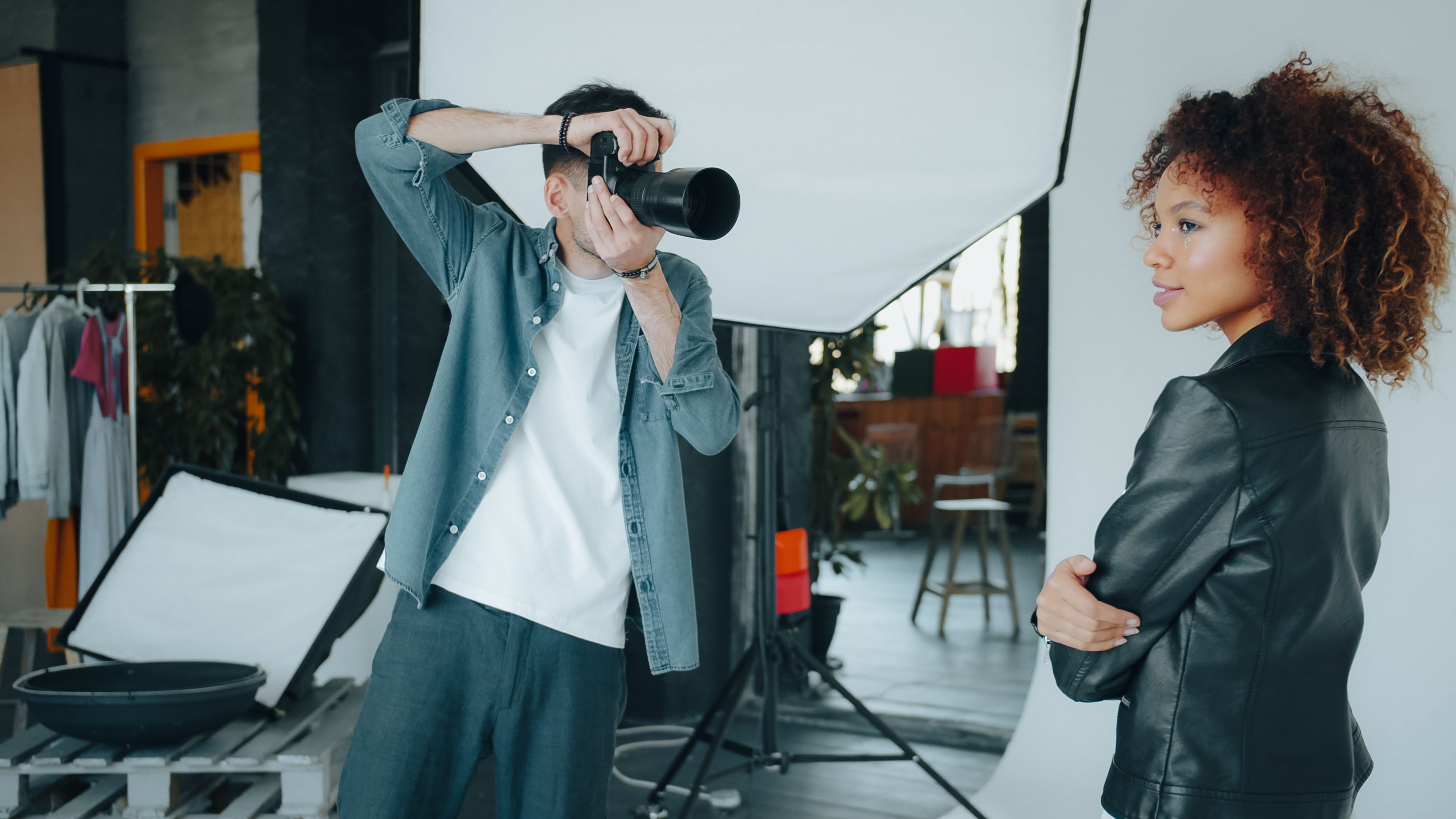
Fashion editorial photography sits at the intersection of art, storytelling, and commercial strategy. Mastering this niche requires more than technical skill; it demands an understanding of visual narrative, meticulous planning, and an ability to translate runway concepts into compelling stills. The following guide distills the practices of top industry creatives, offering actionable insights that can elevate any photographer’s editorial work from ordinary to iconic.
Concept Development & Mood Boarding
Every successful editorial shoot begins with a clear, compelling concept. This stage sets the visual tone and guides every subsequent decision.
- Research trends: Analyze seasonal runway shows, art exhibitions, and cultural movements to identify recurring motifs.
- Define the story: Ask yourself what emotion or narrative the images should convey, rebellion, nostalgia, futurism, etc.
- Create a mood board: Assemble reference images, color swatches, textures, and typography to communicate the vision to the team.
For a deeper dive into building effective mood boards, Read more about this topic.
Collaboration with Creative Teams
Editorial photography is a collaborative effort. Aligning the photographer’s vision with stylists, makeup artists, and art directors ensures a cohesive final product.
Communication Strategies
- Hold pre-shoot meetings to discuss the concept, logistics, and individual responsibilities.
- Share the mood board and a shot list in advance, allowing each department to prepare appropriate materials.
- Maintain an open line of communication on set; quick feedback loops prevent misunderstandings.
Roles & Responsibilities
- Stylist: Curates garments and accessories that reinforce the narrative.
- Makeup & Hair: Crafts looks that complement lighting and color palettes.
- Art Director: Oversees set design, props, and overall visual coherence.
To explore how seamless collaboration influences final imagery, Learn more in this detailed guide.
Technical Mastery: Lighting & Equipment
Lighting is the language of photography. Top editorial creatives manipulate light to sculpt form, highlight texture, and evoke mood.
Lighting Techniques
- Natural Light: Utilize golden hour or diffused overcast conditions for soft, organic tones.
- Studio Strobes: Shape light with grids, softboxes, and snoots to create dramatic contrast.
- Mixed Light: Combine ambient and artificial sources for a layered, three-dimensional feel.
Equipment Considerations
- Full-frame DSLR or mirrorless bodies for high resolution and dynamic range.
- Prime lenses (50mm, 85mm) for shallow depth of field and subject isolation.
- Medium format cameras when the budget permits, delivering unparalleled detail for large-format spreads.
For an overview of essential gear choices, Explore further insights here.
Composition & Styling Secrets
Beyond lighting, composition dictates how viewers engage with the image. Editorial photographers often employ unconventional framing to keep the audience intrigued.
- Rule of thirds with a twist: Position key elements off-center, then break the rule intentionally for emphasis.
- Negative space: Use empty areas to highlight the garment’s silhouette or to convey a sense of isolation.
- Layering: Incorporate foreground elements (e.g., foliage, architectural details) to add depth.
- Dynamic angles: Shoot from low or high perspectives to dramatize posture and garment movement.
When selecting styling details, consider texture contrast, smooth silk against rough denim, or glossy lacquer against matte leather, to create visual tension. Find additional information here.
Post-Production Workflow
Editing transforms raw captures into polished editorial spreads. The goal is to enhance the narrative without sacrificing authenticity.
- Color grading: Apply a cohesive palette that aligns with the concept; muted tones for vintage feels, vibrant hues for futuristic themes.
- Retouching hierarchy: Prioritize skin texture preservation, then address garment details, and finally fine-tune background elements.
- Consistency: Use the same LUTs or adjustment layers across the entire series to maintain visual unity.
- Export settings: Deliver files in high-resolution TIFF for print, while providing web-optimized JPEGs for digital publication.
Final Presentation & Publication
The editorial shoot reaches its audience through magazines, online platforms, and social media. Understanding each medium’s specifications ensures the work is displayed optimally.
- Print layout: Account for bleed, gutter, and DPI requirements; collaborate with designers to integrate images seamlessly with typography.
- Digital formats: Optimize for responsive design, using progressive JPEGs or WebP for faster loading without quality loss.
- Metadata: Embed descriptive tags and copyright information to protect intellectual property and improve discoverability.
For a comprehensive checklist on preparing editorial images for various channels, Read more about this topic.
Continuous Learning & Inspiration
Fashion editorial photography evolves rapidly. Staying current requires intentional practice and exposure to diverse sources of inspiration.
- Attend fashion weeks, art exhibitions, and photography talks to observe emerging aesthetics.
- Study the work of historic photographers and contemporary visionaries to understand the lineage of visual storytelling.
- Experiment regularly with new lighting setups, locations, and editing techniques to refine personal style.
By integrating these practices, photographers can consistently produce editorial imagery that resonates with audiences and stands the test of time. The blend of strategic planning, technical precision, and creative collaboration is the hallmark of top industry creatives.