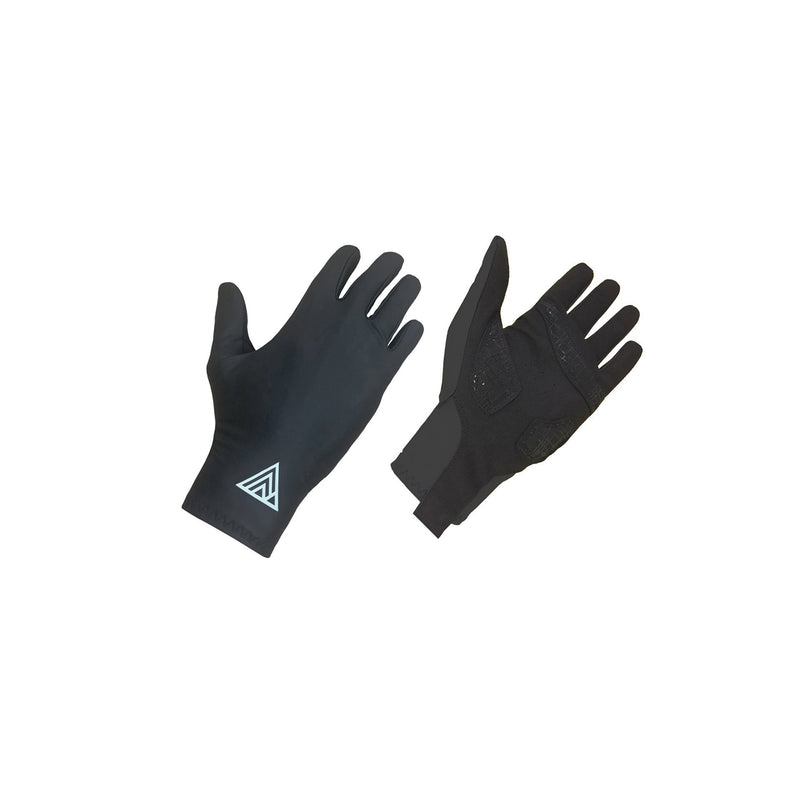
When cyclists choose gloves, the decision often hinges on a balance between aerodynamics, comfort, and control. Two dominant categories dominate the market: aero-focused gloves designed to slice through wind resistance, and traditional gloves that prioritize grip, padding, and versatility. Understanding the subtle engineering differences, material choices, and performance outcomes can help riders of every level select the pair that best aligns with their goals, whether that means shaving seconds off a time trial or enjoying a long-haul ride with confidence.
What Defines an Aero Glove?
Aero gloves are engineered primarily for speed. Their shape, construction, and fabric technology all aim to reduce drag while maintaining enough tactile feedback for precise bike handling.
Key Characteristics
- Streamlined Silhouette: Minimal seams and a tapered cuff keep the glove’s profile tight against the forearm, limiting turbulence.
- Low-Profile Padding: Thin, strategically placed foam or gel inserts protect the palm without adding bulk.
- Technical Fabrics: High-tenacity nylon or polyester blends with a glossy finish often incorporate silicone-treated zones for grip where it matters most.
- Ventilation & Moisture Management: Mesh panels or laser-cut perforations channel sweat away, preventing the hand from overheating during intense efforts.
Performance Benefits
- Reduced aerodynamic drag can translate into measurable time gains during time trials or triathlon bike legs.
- Lightweight construction minimizes fatigue on long climbs where every gram counts.
- Enhanced hand-position stability at high speeds, especially when paired with a time-trial or aero bike frame.
For riders seeking the ultimate speed advantage, Discover expert strategies here and explore the latest aero glove models that blend cutting-edge materials with precision engineering.
Traditional Gloves: Comfort and Control
Traditional cycling gloves have been the staple for road, mountain, and commuter cyclists for decades. Their design philosophy centers on hand protection, grip, and all-day comfort.
Core Features
- Full-Length Padding: Thick gel or foam inserts cushion the palm, absorbing road vibration and reducing hand numbness.
- Textured Grip Zones: Silicone or rubber patterns on the fingers and palm ensure a secure hold on the handlebars, even in wet conditions.
- Adjustable Closures: Velcro straps or elastic cuffs provide a customized fit and keep the gloves from shifting during rides.
- Material Variety: From breathable cotton blends for casual rides to durable leather for mountain biking, options cater to diverse riding styles.
Why Riders Choose Traditional Gloves
- Enhanced comfort on long distances, reducing hand fatigue and preventing nerve compression.
- Superior grip for technical terrain, cornering, and sudden braking.
- Versatility across weather conditions, with many models offering wind-proof or waterproof overlays.
To see how traditional designs have evolved with modern technology, Learn about our tailored solutions and discover models that blend classic comfort with contemporary performance.
Comparative Overview
| Feature | Aero Gloves | Traditional Gloves |
|---|---|---|
| Primary Goal | Minimize drag | Maximize comfort & grip |
| Padding Thickness | Thin, targeted | Thick, full-coverage |
| Material Finish | Glossy, low-friction | Matte, textured |
| Ideal Use | Time trials, triathlons | Endurance rides, mountain biking, commuting |
Choosing the Right Pair for Your Riding Style
Selection should be guided by the rider’s primary objectives, terrain, and personal comfort thresholds. Below are practical decision-making steps:
- Define Your Goal: If shaving seconds off a solo effort is paramount, prioritize aero models. For multi-hour rides with variable terrain, comfort takes precedence.
- Assess Fit and Feel: Try gloves on with your usual cycling shoes; the cuff should sit snugly without restricting wrist movement.
- Consider Climate: Aero gloves often have minimal insulation, ideal for warm conditions. Traditional gloves with wind-proof panels are better for cooler climates.
- Test Grip: Run your fingers over the silicone zones. A secure, non-slippery surface is essential for safe handling.
- Review Durability: Look for reinforced stitching on high-stress areas, especially if you ride on rough roads or trails.
For an in-depth guide that walks through each of these steps, Explore advanced guides and tips and make an informed purchase that aligns with your performance targets.
Maintenance Tips to Extend Glove Lifespan
- Hand Wash Only: Use a mild detergent and cool water; avoid machine cycles that can degrade silicone grips.
- Air Dry: Lay gloves flat away from direct heat sources to preserve elasticity.
- Inspect Regularly: Check for worn padding or frayed seams; replace before they affect control.
- Store Properly: Keep them in a breathable bag to prevent moisture buildup.
Detailed care instructions are often included on the product page; Find out more about this approach and keep your gloves performing at peak efficiency.
Final Thoughts
Both aero and traditional cycling gloves serve distinct purposes, and the optimal choice depends on the rider’s specific demands. Aero gloves excel in reducing drag for high-speed efforts, while traditional gloves deliver the cushioning and grip needed for varied terrain and longer rides. By evaluating performance goals, environmental conditions, and personal comfort, cyclists can select the glove that not only enhances their ride but also protects their hands for years to come.