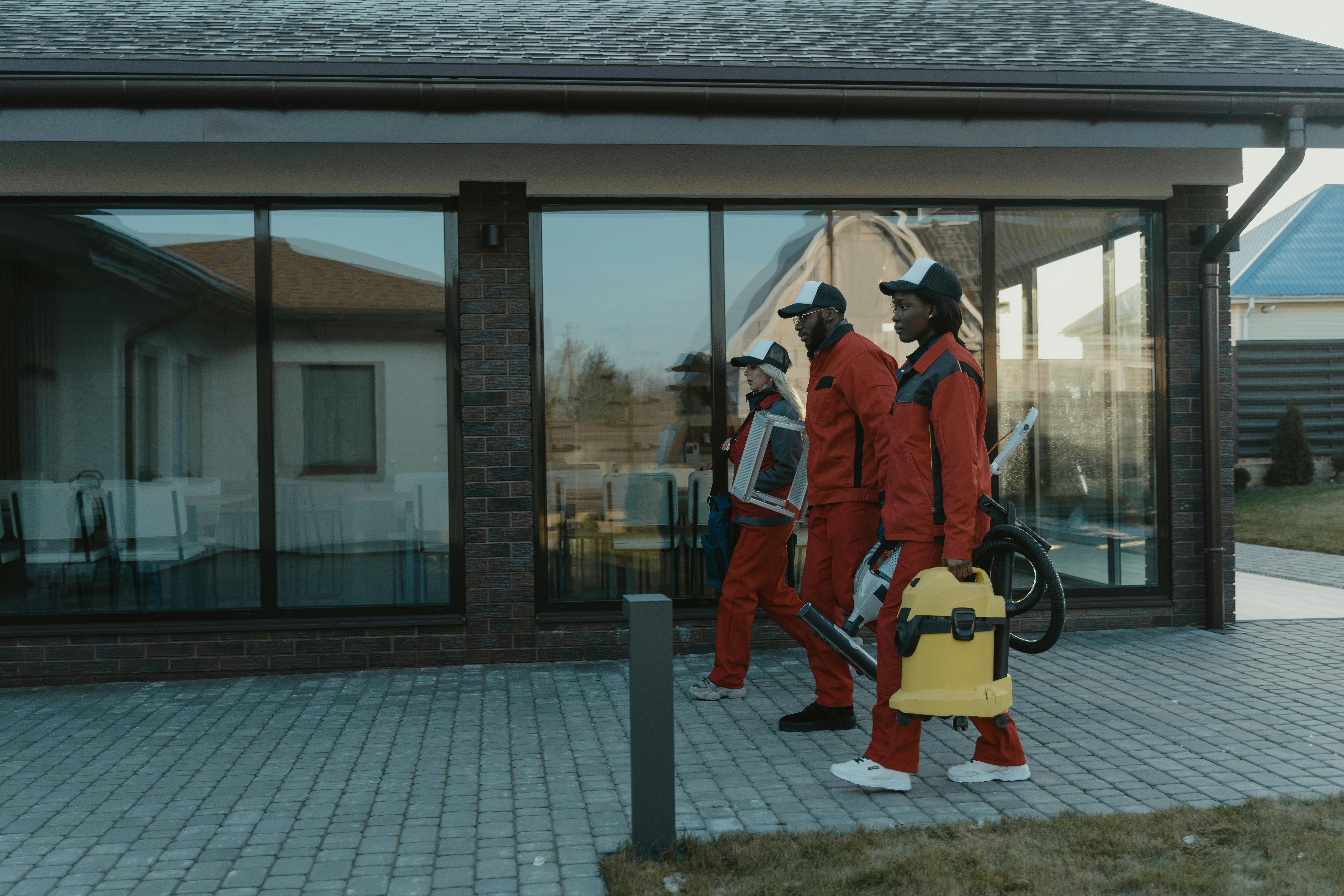
Driveways are among the most frequently used exterior surfaces in a property, bearing the weight of vehicles, foot traffic, and the effects of weather. Over time, oil spills, tire marks, algae, and accumulated dirt can degrade the appearance and durability of the concrete or paver surface. Pressure washing offers a highly effective solution to restore a driveway’s original look while extending its lifespan. This article provides a comprehensive overview of driveway pressure washing in Houston, covering preparation, equipment selection, best practices, safety considerations, and maintenance tips.
Why Pressure Washing Is Essential for Houston Driveways
The climate in Houston presents unique challenges for exterior surfaces. High humidity, frequent rain, and occasional storms create an environment where mold, mildew, and mineral deposits can quickly accumulate. Pressure washing addresses these issues by:
- Removing deep-seated oil and grease stains that conventional cleaning cannot lift.
- Eliminating algae, moss, and fungal growth that can become slippery hazards.
- Restoring the porosity of concrete, allowing sealants to bond more effectively.
- Improving curb appeal, which can positively affect property valuation.
Preparing the Driveway for a Successful Wash
Inspection and Spot Treatment
Before any equipment is applied, a thorough inspection should be performed to identify cracks, loose pavers, or areas that may require special attention. Spot treatment of oil stains with a biodegradable degreaser can enhance results.
Clearing the Area
- Remove vehicles, planters, and any debris that could obstruct the spray pattern.
- Cover nearby landscaping with plastic sheeting to protect against overspray.
- Secure loose items such as garden hoses or toys to prevent them from being displaced.
Selecting the Right Pressure Washing Equipment
Choosing the appropriate machine and accessories is critical for achieving a clean surface without causing damage.
- Pressure Rating: For residential driveways, a unit delivering 2,500-3,000 PSI (pounds per square inch) is typically sufficient.
- Flow Rate: A water flow of 2.5-4.0 GPM (gallons per minute) ensures efficient cleaning while minimizing water waste.
- Nozzle Selection: A 25-degree nozzle provides a balanced spray pattern for general cleaning; a 0-degree nozzle should be used only for stubborn stains and with great caution.
- Detergent Compatibility: Ensure the machine can mix and dispense a pressure-wash-safe detergent for oil or mildew removal.
Step-By-Step Pressure Washing Process
- Pre-Rinse: Start with a low-pressure rinse to wet the surface and loosen loose debris.
- Apply Detergent: Use a surfactant specifically formulated for concrete. Allow it to dwell for 5-10 minutes, but do not let it dry.
- High-Pressure Wash: Move the wand in overlapping, consistent strokes, maintaining a distance of 12-18 inches from the surface.
- Rinse Thoroughly: Remove all detergent residues with a final rinse using plain water.
- Inspect Again: Check for missed spots and repeat the process if necessary.
For a deeper dive into each step, Read more about this topic.
Safety Guidelines and Environmental Considerations
- Wear protective eyewear, gloves, and non-slip footwear.
- Avoid directing the spray at electrical outlets, light fixtures, or windows.
- Use biodegradable cleaning agents to protect local waterways.
- Be aware of local regulations regarding water runoff; consider using a recovery system if required.
Post-Cleaning Maintenance Strategies
Maintaining a clean driveway after a pressure wash prolongs the benefits and reduces the frequency of future cleanings.
- Sealant Application: Apply a breathable, UV-resistant sealant within 24-48 hours of washing to protect against moisture penetration.
- Regular Sweeping: Remove leaves and debris weekly to prevent organic growth.
- Spot Treatment: Promptly address oil spills with a poultice or enzyme-based cleaner.
- Annual Inspection: Schedule a yearly visual check to identify early signs of wear or cracking.
For a comprehensive guide on sealants and ongoing care, Learn more in this detailed guide.
Cost Factors and Budget Planning
While the actual expense varies based on driveway size, condition, and equipment rental or purchase, several factors influence the overall cost:
- Surface area (square footage).
- Extent of staining or biological growth.
- Need for repairs before washing (crack filling, paver resetting).
- Choice between DIY rental equipment versus hiring a professional service.
Understanding these variables helps homeowners create realistic budgets and avoid unexpected expenses. For additional budgeting tips, Explore further insights here.
Frequently Asked Questions
Can pressure washing damage concrete?
When performed with the correct pressure setting (2,500-3,000 PSI) and appropriate nozzle distance, the risk of surface erosion is minimal. Excessive pressure or close proximity can cause pitting, so adherence to guidelines is essential.
How often should a driveway be pressure washed?
In Houston’s climate, a full pressure wash every 12-18 months is generally recommended, with spot cleaning as needed for fresh stains.
Is it necessary to seal the driveway after washing?
Sealing is not mandatory but highly advisable. It creates a protective barrier that repels oil and water, enhancing the effectiveness of future cleanings.
For more answers to common concerns, Find additional information here.