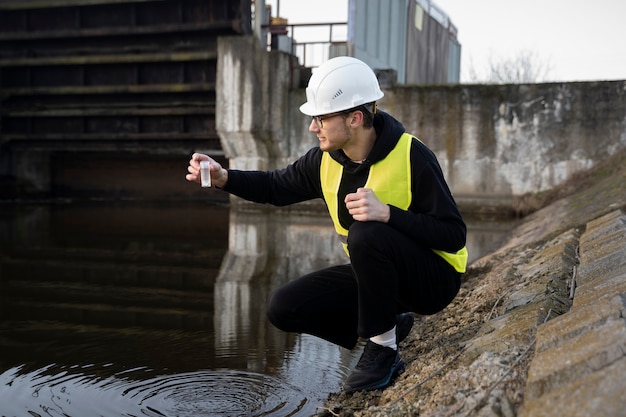
Leaks are a common issue that can cause significant damage to property, increase utility bills, and waste precious resources. Detecting leaks early can prevent these issues from escalating, saving both time and money. Understanding the common causes of leaks and employing effective detection methods is crucial for maintaining infrastructure integrity and ensuring safety. This article delves into the frequent causes of leaks and highlights how modern detection methods can mitigate associated risks.
Common Causes of Leaks
1. Aging Infrastructure
As buildings and infrastructure age, the materials used can deteriorate, leading to leaks. The degradation of pipes, joints, and connections often results in:
- Cracks and holes in pipes due to corrosion or material fatigue.
- Weakening of joints and seals, causing water seepage.
- Compromised structural integrity resulting in unexpected failures.
Regular maintenance and inspection can help identify these issues early. For more information on maintaining infrastructure, discover expert strategies here.
2. Environmental Factors
Environmental elements such as soil conditions, weather, and natural disasters can significantly impact the integrity of pipelines and other structures:
- Freeze-thaw cycles causing expansion and contraction, leading to cracks.
- Soil erosion and shifting, putting stress on underground pipes.
- Seismic activities that can cause sudden breaks and leaks.
Understanding local environmental factors can aid in planning and prevention. Find out more about this approach.
3. Poor Installation
Improper installation of plumbing and piping systems can lead to premature leaks:
- Incorrect pipe sizing leading to pressure imbalances.
- Inadequate sealing of joints and connections.
- Use of substandard materials that are prone to early failure.
Ensuring that installations are carried out by qualified professionals can greatly reduce the risk of leaks. Learn about our tailored solutions.
4. High Water Pressure
While high water pressure might seem beneficial, it can actually cause:
- Excessive strain on pipes, leading to burst pipes.
- Damage to fixtures and appliances connected to the water system.
- Increased wear and tear, accelerating the degradation process.
Monitoring and adjusting water pressure can help maintain the longevity of plumbing systems. Explore advanced guides and tips.
How Detection Can Help
1. Early Identification
State-of-the-art leak detection methods allow for the early identification of leaks before they become major issues. Benefits include:
- Preventing property damage by addressing leaks promptly.
- Reducing water waste and saving on utility bills.
- Minimizing the need for extensive repairs.
Find out more about this approach.
2. Non-Invasive Techniques
Modern detection technologies offer non-invasive options that cause minimal disruption:
- Acoustic leak detection using sound technology to locate leaks.
- Infrared thermography to find leaks through temperature variations.
- Gas injection methods for pinpointing difficult-to-find leaks.
These methods ensure effective detection without damaging existing structures. Learn about our tailored solutions.
3. Data-Driven Insights
Advanced leak detection tools provide valuable data that can inform maintenance strategies:
- Tracking leak frequency and locations to prioritize repairs.
- Analyzing patterns to forecast potential future issues.
- Optimizing maintenance schedules to prevent unexpected failures.
Explore advanced guides and tips.
In conclusion, understanding the common causes of leaks and employing effective detection methods is essential for protecting infrastructure and reducing costs. By leveraging advanced technologies and strategies, property owners and managers can address issues proactively, ensuring safety and efficiency in their operations. For more information and resources on leak detection and management, discover expert strategies here.