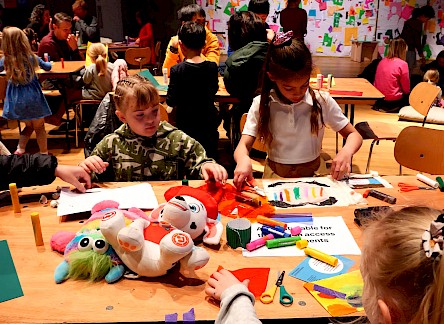
Creative sensory play is an essential aspect of a toddler’s development, and it’s never too early to start exploring the world around them. By incorporating sensory experiences into their daily routine, you can encourage your little one’s curiosity and creativity, laying the foundation for a lifelong love of learning. At home, you can create a sensory-rich environment that sparks their imagination and fosters a sense of wonder. For instance, you can fill a container with rice or beans and hide small toys or other objects for your child to discover, promoting fine motor skills and problem-solving. Discover expert strategies here on how to set up a sensory bin, and learn about the benefits of this type of play for young children.
Benefits of Sensory Play for Toddlers
Sensory play offers a multitude of benefits for toddlers, including improved cognitive development, enhanced sensory awareness, and increased creativity. By engaging in sensory experiences, your child will develop their problem-solving skills, hand-eye coordination, and fine motor skills. This type of play also helps to build their confidence and self-esteem, as they learn to navigate and explore their surroundings. According to research, sensory play can have a positive impact on a child’s emotional and social development, too. Explore advanced guides and tips on how to use sensory play to support your child’s emotional well-being.
Setting Up a Sensory Environment at Home
Creating a sensory-rich environment at home is easier than you think. Start by identifying areas in your home that can be converted into sensory spaces, such as a playroom or a designated play area. Next, gather a variety of materials and objects that can be used for sensory play, such as play dough, sand, water, and different textures like fabric or foam. Learn about our tailored solutions for creating a sensory environment that meets your child’s unique needs and interests. For instance, you can set up a sensory bin filled with water and soap for a fun and educational experience, or create a sensory wall using different textures and colors. Find out more about this approach to sensory play and how it can benefit your child’s development.
Encouraging Exploration and Creativity
Sensory play is not just about exploring different textures and sensations; it’s also about encouraging creativity and imagination. By providing your child with a variety of materials and objects, you can inspire them to think outside the box and come up with innovative solutions to problems. For example, you can set up a sensory station with different art supplies, such as paint, markers, and crayons, and encourage your child to express themselves through art. Discover expert strategies here on how to encourage creativity and imagination in your child, and learn about the benefits of sensory play for their cognitive and emotional development.
Conclusion
Creative sensory play is an essential aspect of a toddler’s development, and it’s never too early to start exploring the world around them. By incorporating sensory experiences into their daily routine, you can encourage your little one’s curiosity and creativity, laying the foundation for a lifelong love of learning. Remember, the key to successful sensory play is to provide a variety of materials and objects that spark your child’s imagination and foster a sense of wonder. Explore advanced guides and tips on how to use sensory play to support your child’s development, and don’t be afraid to think outside the box and come up with your own creative solutions. With a little creativity and imagination, you can create a sensory-rich environment that inspires your child’s curiosity and creativity, and sets them up for a lifetime of learning and exploration.
For more information on how to create a sensory-rich environment and encourage creative sensory play, visit Discover expert strategies here and learn about our tailored solutions for supporting your child’s development.