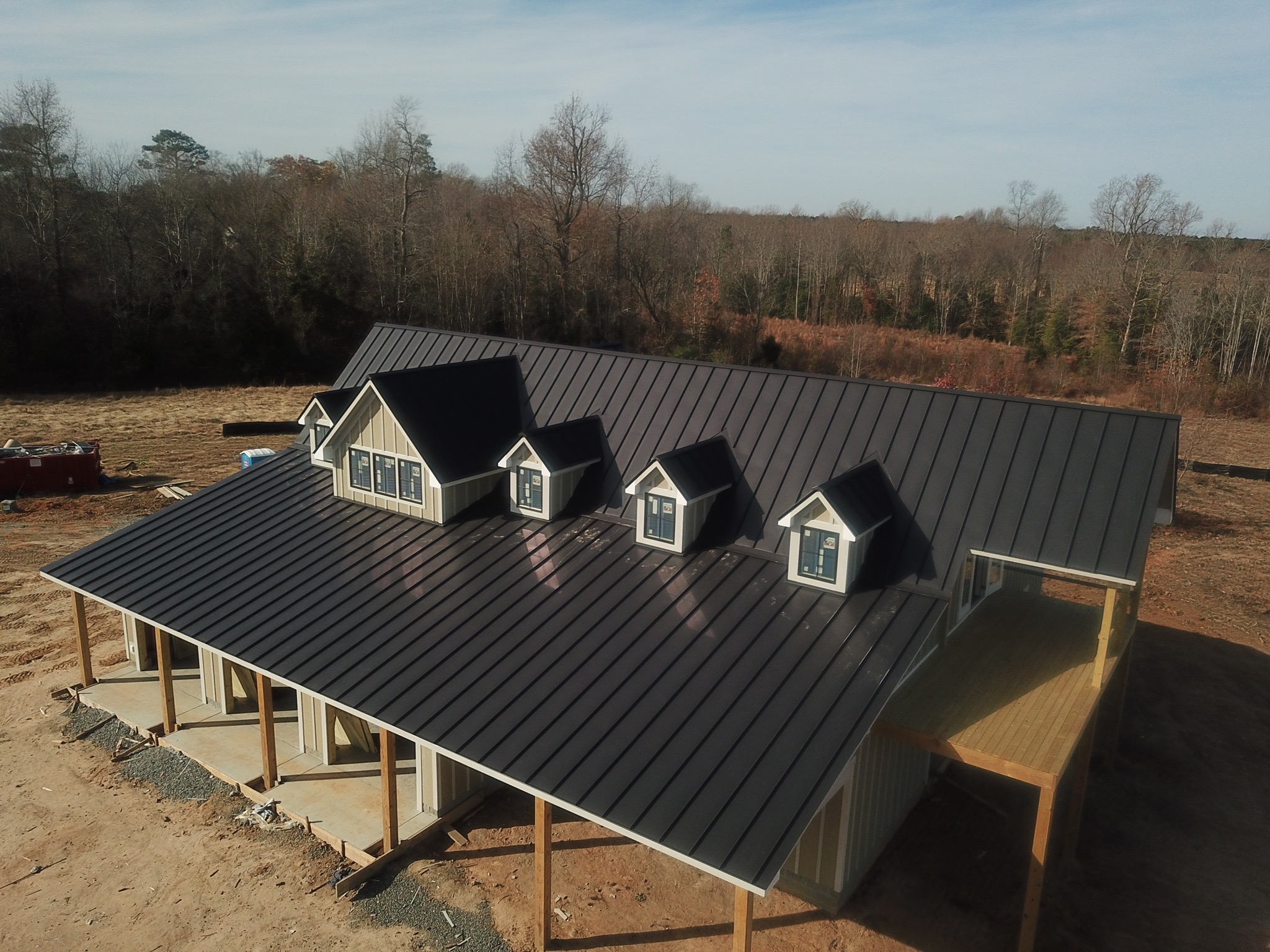
Sustainability and energy efficiency are increasingly becoming priorities in modern construction and renovation projects. As homeowners and builders aim to reduce their carbon footprints while maintaining cost-effectiveness, the demand for sustainable and energy-efficient roofing solutions has surged. These roofing options not only contribute to environmental conservation but also offer long-term financial savings through decreased energy consumption and maintenance costs. Understanding the various options available and their benefits is crucial for making informed decisions regarding roofing solutions.
Innovative Roofing Materials
Selecting the right materials is fundamental to achieving energy efficiency and sustainability in roofing. Various materials offer distinct advantages in terms of performance, durability, and environmental impact. Below are some popular choices:
- Metal Roofing: Known for its durability and ability to reflect solar heat, metal roofing can significantly reduce cooling costs. It is also recyclable, making it an environmentally friendly option. Read more about this topic.
- Clay and Concrete Tiles: These materials provide excellent thermal insulation and are resistant to extreme weather conditions. They are also long-lasting and can be recycled.
- Asphalt Shingles: While not as sustainable as metal or clay, newer versions of asphalt shingles are designed to be more energy-efficient, incorporating reflective granules to reduce heat absorption.
- Cool Roof Coatings: These coatings, applied to existing roofs, help reflect more sunlight and absorb less heat, leading to reduced energy bills. Learn more in this detailed guide.
Green Roofs and Solar Integration
Green roofs and solar panels are innovative solutions that enhance the sustainability of roofing systems. These options not only improve energy efficiency but also contribute positively to the environment.
Green Roofs
Green roofs, also known as living roofs, involve the installation of vegetation over a waterproof membrane. They provide several benefits:
- Thermal insulation, reducing the need for air conditioning in the summer and heating in the winter.
- Improved air quality, as plants absorb pollutants and carbon dioxide.
- Stormwater management, as they absorb rainwater, reducing runoff and flooding.
The integration of green roofs can significantly enhance the aesthetic appeal of buildings while promoting biodiversity in urban areas. Explore further insights here.
Solar Roofing Solutions
Solar panels and solar shingles are becoming increasingly popular due to their ability to generate renewable energy. Key advantages include:
- Reduction of electricity bills by producing energy from sunlight.
- Potential to sell excess electricity back to the grid, providing an additional income stream.
- Decrease in carbon footprint, contributing to a more sustainable lifestyle.
The integration of solar technology into roofing systems can transform homes into energy-efficient powerhouses. Find additional information here.
Benefits of Energy-Efficient Roofing
Investing in sustainable and energy-efficient roofing offers multiple advantages:
- Cost Savings: Reduced energy bills and maintenance costs lead to significant financial savings over time.
- Environmental Impact: Lower energy consumption reduces greenhouse gas emissions, contributing to environmental conservation.
- Increased Property Value: Homes with energy-efficient features often have higher market values.
- Enhanced Comfort: Improved insulation and temperature regulation result in a more comfortable living environment.
The shift towards sustainable roofing solutions is not just a trend but a necessity for a greener future. For more information on energy-efficient roofing options, learn more in this detailed guide.