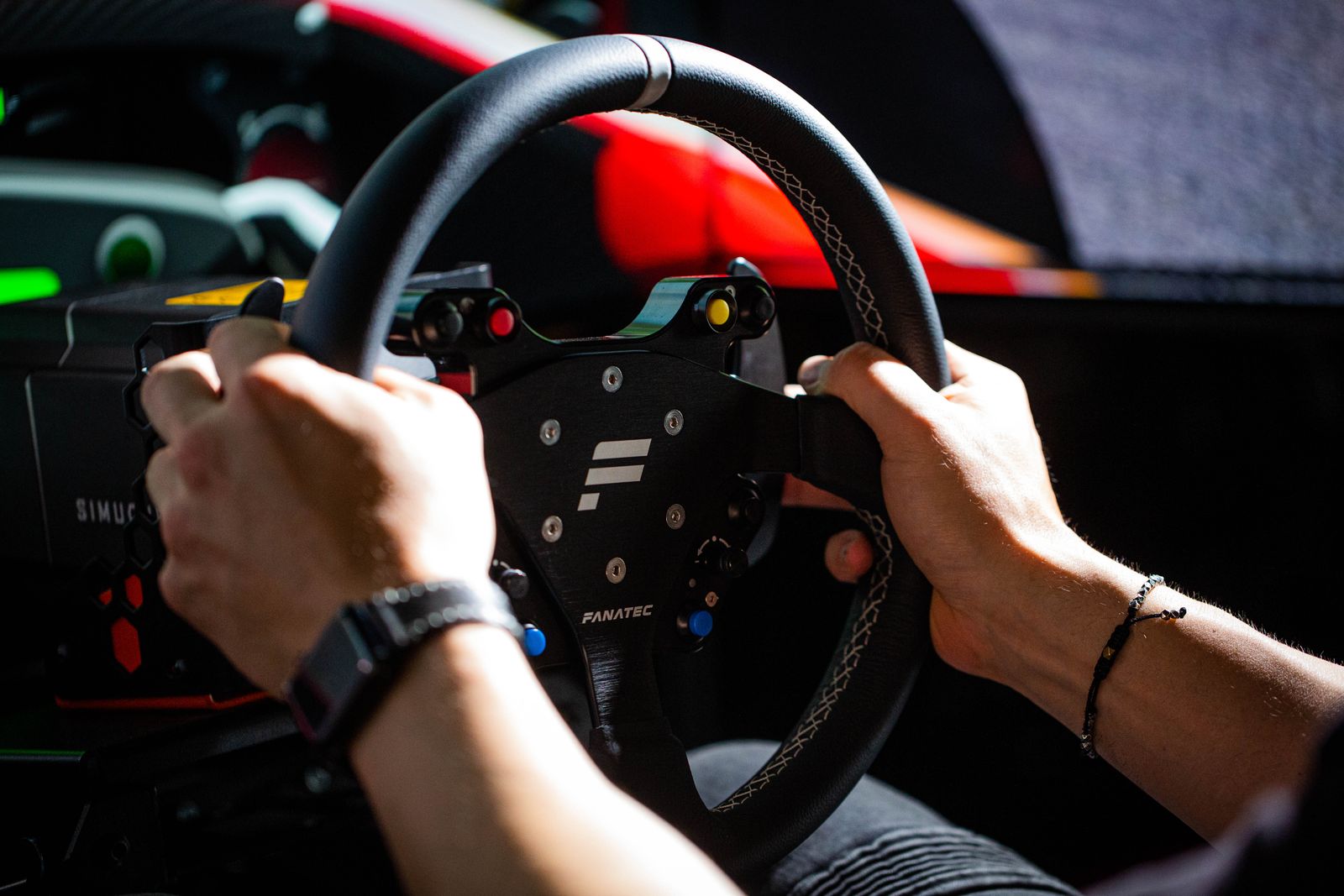
The world of sim racing has evolved from a niche hobby into a sophisticated, immersive experience that rivals real-life motorsport. Modern hardware, photorealistic graphics, and physics engines that replicate tire slip, suspension dynamics, and weather conditions allow drivers to feel every nuance of the track. For enthusiasts seeking a truly authentic sensation, the combination of high-end wheel-and-pedal sets, motion rigs, and meticulously tuned software creates a cockpit that feels indistinguishable from a professional race car. This article explores the key components, training methods, and community resources that together deliver a realistic sim racing experience.
Essential Hardware for Realism
Wheel and Pedal Sets
- Force-Feedback Wheels: Direct-drive units provide the strongest, most precise feedback, reproducing road texture, curb impacts, and loss of traction.
- Pedal Assemblies: Load-cell brake pedals simulate hydraulic braking pressure, while adjustable clutch and accelerator pedals let users fine-tune pedal travel.
- Shifters and Handbrakes: Sequential or H-pattern shifters, combined with a realistic handbrake, enhance immersion for rally and drift disciplines.
Motion Platforms and Seating
- Six-axis motion rigs translate vehicle dynamics into subtle seat movements, reinforcing the sensation of acceleration, braking, and cornering forces.
- Ergonomic racing seats with bolted-in harnesses keep the driver stable during intense maneuvers.
- Vibration motors placed under the seat add tactile cues for engine rumble and road surface changes.
Software Choices and Tuning
Choosing the right simulation platform is as critical as the hardware. Titles such as iRacing, Assetto Corsa Competizione, and rFactor 2 offer detailed physics models and laser-scanned tracks. To extract the maximum realism, users must calibrate force-feedback strength, wheel torque, and pedal dead zones to match their personal driving style.
- Set wheel torque to a level that feels strong enough to convey loss of grip without overwhelming the driver.
- Adjust pedal sensitivity curves so that braking feels progressive and modulated.
- Enable advanced weather and tire wear options to experience the full strategic depth of endurance racing.
For those looking to deepen their knowledge, Explore advanced guides and tips provides comprehensive tutorials on fine-tuning both hardware and software settings.
Training Techniques for Consistent Performance
Data-Driven Practice
Modern simulators generate telemetry data, lap times, sector splits, throttle and brake inputs, and g-force charts. Analyzing this data helps drivers identify braking points, optimal racing lines, and areas where throttle application can be smoothed.
- Record multiple laps and compare sector times to pinpoint inconsistencies.
- Use overlay tools to visualize ideal racing lines versus actual paths.
- Study brake pressure graphs to ensure smooth, progressive braking.
Physical Conditioning
Even though the environment is virtual, the physical demands remain real. Core strength, neck muscle endurance, and cardiovascular fitness improve concentration and reduce fatigue during long sessions.
- Incorporate short, high-intensity interval training (HIIT) to boost stamina.
- Perform neck resistance exercises to handle sustained lateral forces from motion rigs.
- Practice regular stretching to maintain flexibility and prevent injury.
Community Resources and Continuous Learning
Engaging with the sim racing community accelerates skill development. Forums, Discord channels, and organized leagues offer opportunities to race against seasoned drivers, receive feedback, and stay updated on the latest hardware releases.
For a curated collection of expert advice and community-driven content, Discover expert strategies here. This resource aggregates race-craft articles, hardware reviews, and step-by-step setup guides that cater to both beginners and veterans.
Future Trends Shaping the Sim Racing Landscape
Virtual reality (VR) headsets are becoming mainstream, delivering a 360° field of view that eliminates peripheral blind spots. Coupled with eye-tracking technology, VR can dynamically adjust focus and depth of field, further mimicking real-world visual cues.
- AI-Driven Opponents: Machine-learning algorithms generate more realistic driver behavior, making online races feel like genuine competition.
- Cloud-Based Streaming: Services that render graphics on remote servers allow high-fidelity experiences on modest PCs.
- Haptic Feedback Clothing: Emerging suits provide tactile sensations across the torso and limbs, enhancing immersion beyond the cockpit.
To stay ahead of these developments, Find out more about this approach and explore how upcoming technologies can be integrated into a personal sim rig.
Conclusion
Achieving a realistic sim racing experience requires a harmonious blend of premium hardware, meticulously tuned software, disciplined training, and active community participation. By investing in quality components, leveraging data-driven practice, and tapping into expert resources, drivers can bridge the gap between virtual and real-world motorsport. The result is not just faster lap times, but a deeper appreciation for the skill, strategy, and physicality that define competitive racing.