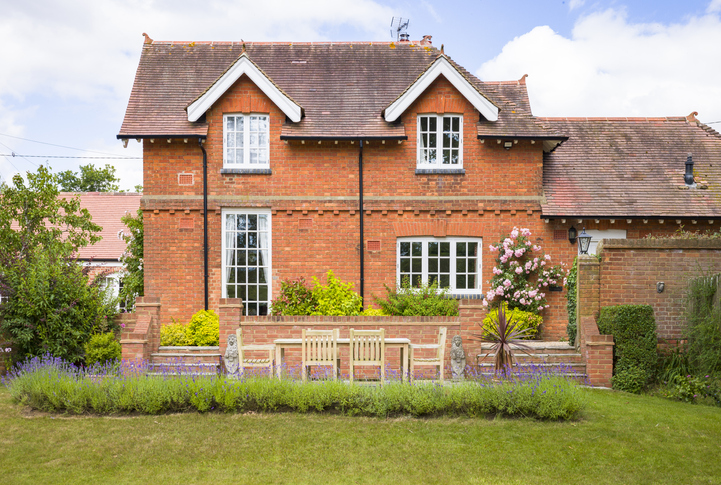
A Level 3 RICS Building Survey is the most comprehensive inspection available for residential and commercial properties in the UK. It provides a detailed analysis of the building’s condition, construction, and any defects that could affect value or safety. This type of survey is essential for buyers, sellers, and owners who need a thorough understanding of a property before making significant financial decisions. The following guide outlines what to expect, why it matters, and how to interpret the findings.
What Distinguishes a Level 3 Survey?
The Level 3 survey, often referred to as a full structural survey, goes far beyond the surface-level checks of a basic homebuyer report. It examines:
- Structural integrity of walls, roofs, foundations, and floors
- Materials used in construction and their condition
- Potential hazards such as damp, timber decay, and asbestos
- Compliance with building regulations and planning permissions
- Future maintenance requirements and estimated repair costs
Because it adheres to the Royal Institution of Chartered Surveyors (RICS) standards, the report is widely recognised as the benchmark for thoroughness and reliability.
When Is a Level 3 Survey Needed?
While any property transaction can benefit from a detailed inspection, certain scenarios make a Level 3 survey especially valuable:
- Older or historic buildings with complex construction methods
- Properties that have undergone extensions, conversions, or major renovations
- Homes located in areas prone to subsidence, flooding, or other environmental risks
- Buyers who intend to make significant alterations after purchase
- Owners seeking a definitive maintenance plan for long-term budgeting
Key Components of the Survey Report
1. Executive Summary
A concise overview of the most critical findings, highlighting any urgent defects that require immediate attention.
2. Detailed Condition Assessment
Room-by-room analysis covering:
- Foundations and sub-structure
- Walls, ceilings, and roof structures
- Windows, doors, and glazing
- Plumbing, heating, and electrical systems
- External works such as drainage, boundaries, and landscaping
3. Defect Classification
Each issue is categorised by severity (e.g., urgent, significant, or minor) and accompanied by recommended remedial actions.
4. Cost Estimates
Professionally prepared cost ranges for repairs, allowing owners to plan financially and negotiate effectively.
How to Choose a Qualified Surveyor
Selecting a surveyor with the appropriate credentials ensures the survey meets RICS standards. Consider the following criteria:
- Membership of RICS and relevant professional indemnity insurance
- Demonstrated experience with properties similar in age, size, and construction type
- Positive client testimonials and a transparent fee structure
- Ability to provide a clear, jargon-free report that is easy to understand
For a reliable reference, many homeowners turn to reputable providers that specialise in detailed inspections, such as a level 3 building survey offered by established surveying firms.
Interpreting the Findings
Understanding the survey report is crucial for making informed decisions. Here are practical steps to follow:
- Prioritise urgent defects: Address any safety-critical issues immediately, often before finalising a purchase.
- Negotiate based on evidence: Use the cost estimates to request price reductions or seller-funded repairs.
- Plan long-term maintenance: Incorporate minor and significant defects into a phased maintenance schedule.
- Seek specialist advice: For complex structural concerns, consult a structural engineer or specialist contractor.
Benefits of a Comprehensive Survey
Investing in a Level 3 RICS Building Survey provides several tangible advantages:
- Peace of mind through a thorough understanding of the property’s condition
- Stronger negotiating power during price discussions
- Reduced risk of unexpected repair costs after purchase
- Clear roadmap for future improvements and compliance
- Enhanced confidence for lenders and mortgage providers
Common Misconceptions
Despite its thoroughness, the Level 3 survey is sometimes misunderstood. Clarify these points before commissioning the inspection:
- It is not a guarantee of future performance: The survey records the condition at the time of inspection, not future wear and tear.
- It does not replace specialist testing: Issues such as asbestos, mold, or structural calculations may still require dedicated testing.
- It is not overly expensive for the value it provides: While the fee is higher than a basic survey, the potential savings from avoided repairs can be substantial.
Conclusion
A building survey level 3 is an indispensable tool for anyone serious about protecting their investment in a property. By delivering an exhaustive assessment of structural integrity, material condition, and potential hazards, it equips buyers, sellers, and owners with the knowledge needed to make confident, financially sound decisions. Engaging a qualified RICS-accredited surveyor ensures the report meets the highest industry standards, providing a clear pathway to address defects, negotiate effectively, and plan future maintenance.
For those seeking the most detailed insight into a property’s condition, a level 3 rics building survey remains the gold standard, delivering the depth of analysis that simple inspections simply cannot match.