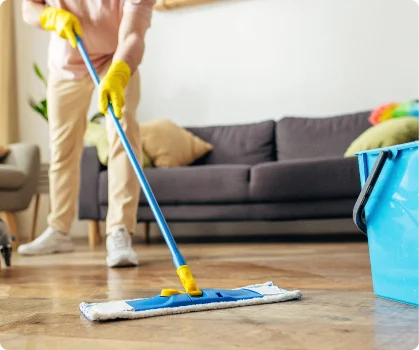
Keeping a home spotless while staying within a budget can feel like a balancing act. Many households aim for a pristine environment without overspending on professional services or costly products. By understanding the factors that drive cleaning costs and applying strategic habits, it’s possible to maintain a fresh living space without breaking the bank. This guide outlines practical, cost-effective approaches to home cleaning, helping readers allocate resources wisely and achieve consistent results.
Identify Your Cleaning Priorities
Before allocating any funds, determine which areas of the home require the most attention. Prioritizing high-traffic zones and spaces that impact health can prevent unnecessary expenses on less-critical tasks.
- High-traffic zones: Entryways, kitchens, and bathrooms typically accumulate the most dirt and germs.
- Health-sensitive areas: Bedrooms and living rooms where family members spend extended periods should be kept especially clean.
- Seasonal focus: Deep-clean carpets before winter or tackle outdoor patios in spring to avoid costly emergency clean-ups.
For a deeper dive into prioritizing cleaning tasks, Read more about this topic.
Smart Scheduling Strategies
Weekly Maintenance vs. Monthly Deep Cleans
Dividing cleaning into routine weekly upkeep and periodic deep cleans maximizes efficiency and reduces the need for intensive, expensive sessions.
- Weekly tasks: Vacuum high-traffic rugs, wipe kitchen counters, disinfect bathroom surfaces, and empty trash bins.
- Monthly deep cleans: Shampoo carpets, clean behind appliances, and wash windows.
- Quarterly reviews: Assess whether any areas need extra attention or a professional touch.
Learn more in this detailed guide.
Utilize Time-Blocking
Allocate specific blocks of time for each cleaning segment. This prevents tasks from spilling over and turning into costly, last-minute scrambles.
- Set 15-minute slots for quick surface wipes.
- Reserve 30-minute periods for bathroom sanitization.
- Plan a 1-hour block on the first Saturday of each month for deep-cleaning projects.
Choose Cost-Effective Cleaning Tools
Investing in reusable, multi-purpose tools can dramatically lower ongoing expenses.
- Microfiber cloths: Capture dust without chemicals and can be washed repeatedly.
- Multipurpose spray bottles: Fill with homemade solutions (vinegar, baking soda, essential oils) for a versatile cleaner.
- Reusable mop heads: Reduce the need for disposable pads.
For a list of recommended eco-friendly cleaning supplies, Explore further insights here.
DIY Cleaning Solutions
Many effective cleaners can be made at home with inexpensive ingredients, eliminating the need for expensive commercial products.
- All-purpose cleaner: Mix equal parts water and white vinegar, add a few drops of lemon essential oil.
- Stain remover: Combine baking soda with a little water to form a paste; apply to fabric stains before washing.
- Glass shine: Spray diluted rubbing alcohol and wipe with a microfiber cloth for streak-free windows.
Find additional information here.
When to Hire Professional Help
Even the most diligent homeowner may need occasional professional assistance, especially for tasks that require specialized equipment or expertise.
- Carpet and upholstery deep cleaning: Machines used by professionals can extract embedded dirt that home vacuums miss.
- Hard-floor polishing: Buffing and sealing hardwood or tile often requires trained technicians.
- Post-renovation cleanup: Large debris and dust from construction are best handled by experts.
To evaluate whether a professional service is warranted, Read more about this topic.
Maximize Value from Professional Services
Request Detailed Quotes
Ask for itemized estimates that break down labor, materials, and any additional fees. This transparency helps compare offers and avoid hidden costs.
Leverage Bundled Packages
Many cleaning providers offer discounts when multiple services are booked together (e.g., carpet cleaning plus floor polishing). Bundling can reduce the overall price per service.
Schedule During Off-Peak Times
Booking appointments in slower seasons or weekdays often yields lower rates, as demand is reduced.
Track Your Cleaning Expenses
Maintaining a simple spreadsheet or budgeting app allows you to see where money is being spent and identify opportunities for savings.
- Log each purchase of cleaning supplies and note the quantity used.
- Record professional service dates, costs, and the specific tasks performed.
- Review the data monthly to spot trends and adjust your cleaning plan accordingly.
For tips on budgeting household chores, Learn more in this detailed guide.
Conclusion
Achieving a spotless home on a budget is entirely feasible with thoughtful planning, strategic scheduling, and the right mix of DIY methods and selective professional assistance. By prioritizing high-impact areas, investing in reusable tools, creating homemade cleaning solutions, and carefully evaluating when to enlist expert help, households can enjoy a clean environment without unnecessary expenditure. Regularly reviewing costs and adjusting practices ensures that smart spending becomes a lasting habit, keeping both the home and the wallet in great shape.