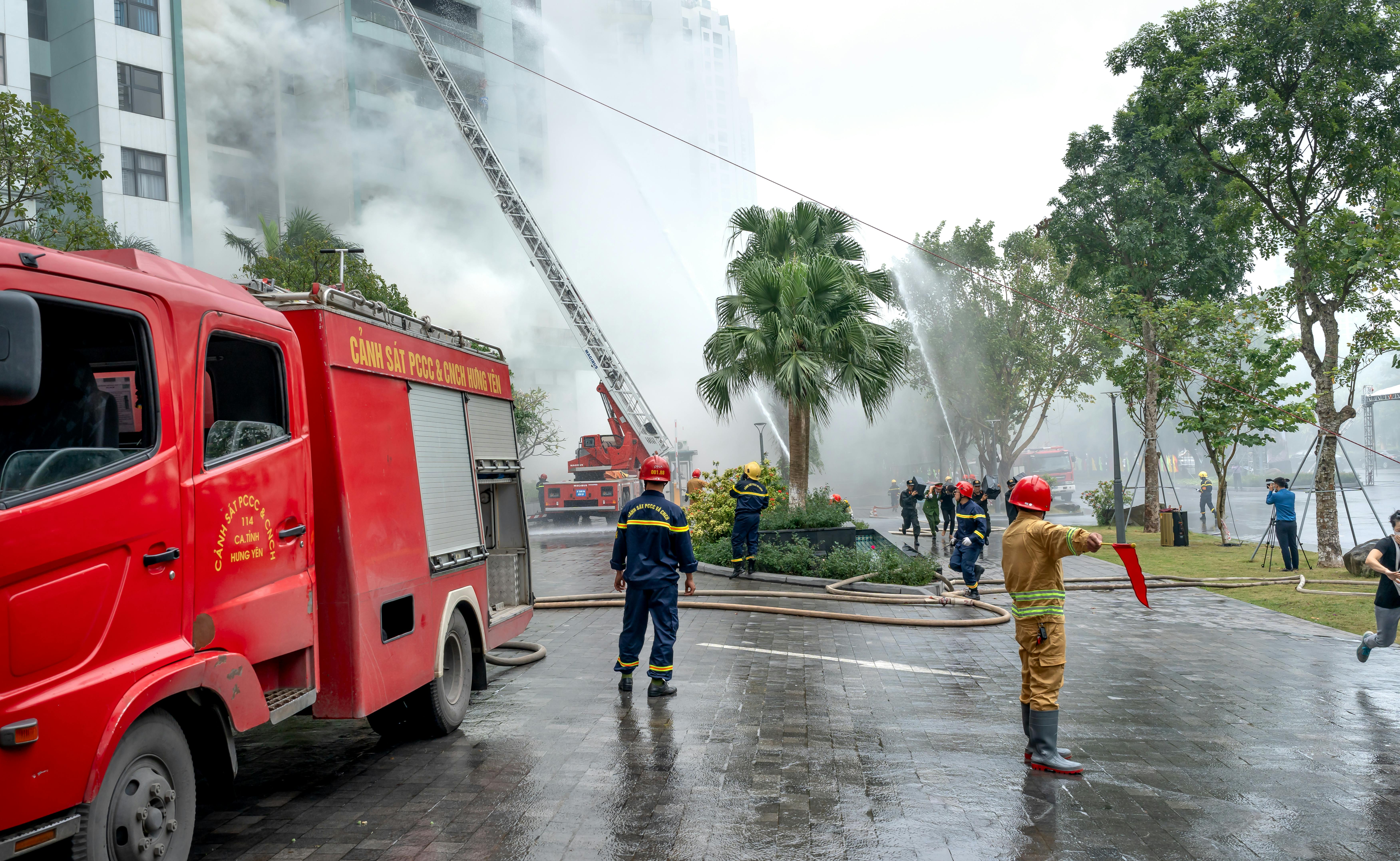
In an era where natural disasters, cyber threats, and public health emergencies occur with increasing frequency, the integration of cutting-edge technology and seasoned expertise has become the cornerstone of effective emergency management. Modern responders must balance real-time data, predictive analytics, and coordinated communication to protect lives, infrastructure, and continuity of operations. By leveraging sophisticated tools alongside proven operational frameworks, emergency management services can anticipate risks, streamline response actions, and accelerate recovery for communities and organizations alike.
Technological Foundations of Modern Emergency Management
Real-Time Data Collection and Analysis
- Geospatial Information Systems (GIS) provide dynamic mapping of hazard zones, evacuation routes, and resource locations.
- Internet of Things (IoT) sensors monitor environmental parameters such as flood levels, air quality, and structural integrity.
- Artificial Intelligence (AI) algorithms analyze historical incident data to forecast potential outbreak patterns and resource needs.
Communication Platforms and Interoperability
- Unified command dashboards consolidate alerts from multiple agencies, ensuring a single source of truth.
- Secure messaging apps enable encrypted, cross-jurisdictional coordination among first responders, public officials, and private partners.
- Public alert systems integrate with mobile networks and social media to disseminate timely warnings.
For a deeper dive into how these tools are applied in practice, Discover expert strategies here.
Expertise: The Human Element Behind the Technology
Training and Certification
- Incident Command System (ICS) certification ensures standardized response protocols across agencies.
- Continuing education in risk assessment and crisis communication keeps personnel current with evolving threats.
- Scenario-based exercises simulate multi-hazard events, reinforcing decision-making under pressure.
Strategic Planning and Policy Development
- Comprehensive Emergency Management Plans (CEMPs) outline roles, responsibilities, and resource allocations.
- Community risk assessments identify vulnerable populations and critical infrastructure.
- Policy frameworks incorporate lessons learned from after-action reports to refine future responses.
To explore tailored frameworks that align with regulatory standards, Learn about our tailored solutions.
Integrating Technology and Expertise: Best Practices
- Data-Driven Decision Making: Combine sensor feeds with AI-generated risk scores to prioritize deployment of personnel and equipment.
- Interagency Collaboration: Utilize interoperable communication platforms that allow fire, police, health, and utility services to share situational updates in real time.
- Community Engagement: Deploy mobile apps that enable citizens to report hazards, receive evacuation instructions, and access recovery resources.
- Continuous Improvement: Conduct post-incident reviews that compare predicted outcomes with actual results, feeding insights back into predictive models.
Guidelines on implementing these practices are available in a series of advanced resources; Explore advanced guides and tips.
Case Study Highlights
Recent deployments illustrate the power of an integrated approach:
- Flood Management in the River Valley: GIS mapping combined with IoT water-level sensors allowed authorities to issue targeted evacuation orders 12 hours before peak flooding, reducing property loss by 30%.
- Cyber-Physical Threat Response: AI-driven anomaly detection identified a coordinated ransomware attack on municipal utilities, enabling rapid isolation of affected systems and restoration within hours.
- Pandemic Preparedness: Real-time health data dashboards facilitated resource reallocation to hotspots, while community alert apps improved vaccination uptake.
For additional insights into these successes, Find out more about this approach.
Future Directions in Emergency Management
- Edge Computing: Processing data locally on sensors reduces latency, critical for time-sensitive alerts.
- Augmented Reality (AR) Training: Immersive simulations enhance skill retention for complex incident scenarios.
- Resilient Infrastructure Design: Embedding redundancy and adaptive systems into critical facilities mitigates impact of extreme events.
- Public-Private Partnerships: Collaborative frameworks leverage private sector innovation while maintaining public safety priorities.
Staying ahead of emerging trends requires ongoing learning; Explore advanced guides and tips to keep strategies current.
Conclusion
The synergy between sophisticated technology and seasoned expertise defines the next generation of emergency management services. By harnessing real-time data, fostering interoperable communication, and grounding actions in rigorous training and planning, responders can deliver faster, more accurate, and more resilient outcomes. Continuous investment in both digital tools and human capital ensures that communities remain prepared for the unpredictable challenges of tomorrow.