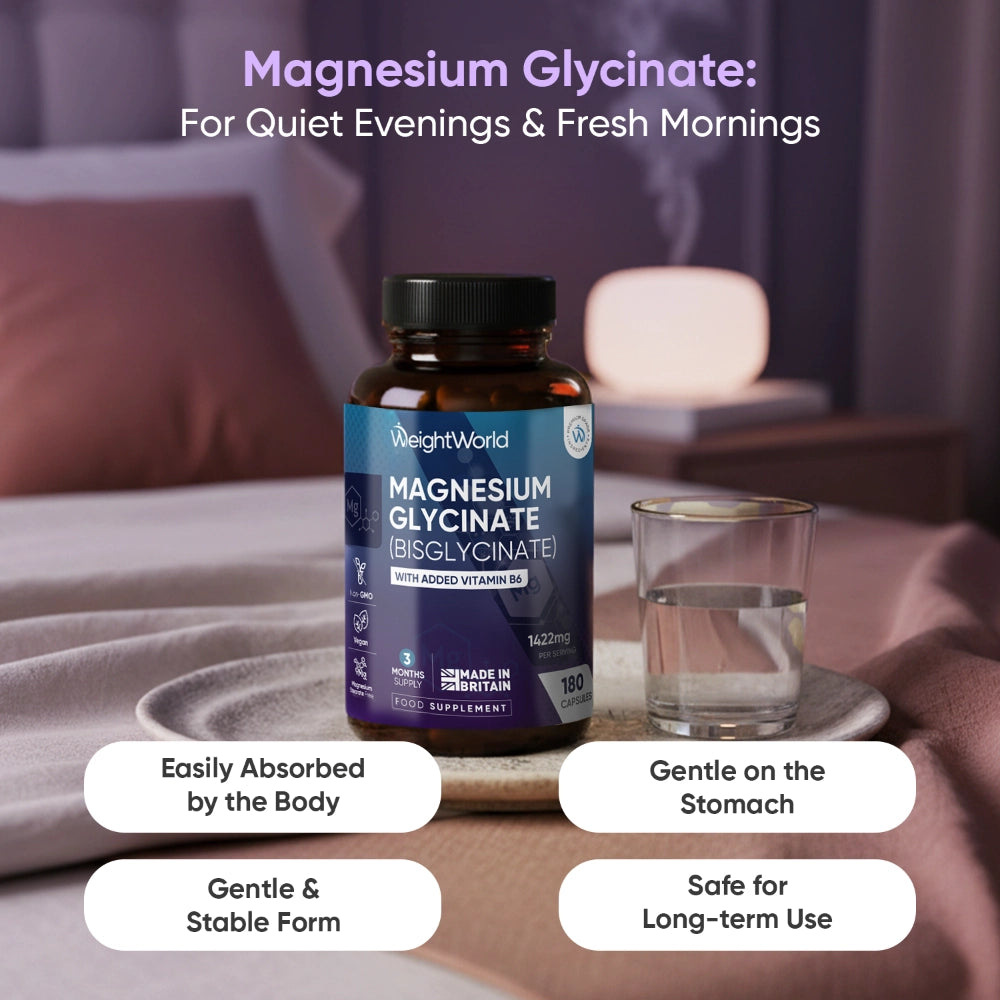
Magnesium glycinate has emerged as a preferred form of magnesium supplementation for individuals seeking optimal absorption, gentle gastrointestinal tolerance, and targeted health benefits. In the United Kingdom, the growing awareness of micronutrient deficiencies has driven interest in high-quality supplements that deliver consistent results. This article explores the science behind magnesium glycinate, its therapeutic potential, practical usage guidelines, and considerations for selecting the most reliable product on the market.
Understanding Magnesium Glycinate
Magnesium glycinate is a chelated compound in which magnesium is bound to the amino acid glycine. This molecular pairing protects the mineral from competing ions in the digestive tract, allowing a larger proportion to cross the intestinal wall and enter the bloodstream.
Key Characteristics
- High bioavailability: Studies indicate absorption rates of 80-90″?% compared with 30-40″?% for many inorganic salts.
- Gentle on the stomach: Glycine acts as a buffering agent, reducing the likelihood of loose stools that are common with magnesium oxide or citrate.
- Dual function: Glycine itself supports neurotransmission and collagen synthesis, adding a subtle synergistic effect.
Health Benefits Backed by Research
When delivered efficiently, magnesium supports over 300 enzymatic reactions. The following benefits are most frequently associated with regular magnesium glycinate intake:
- Muscle relaxation and recovery: Helps prevent cramps and supports post-exercise repair.
- Sleep quality: Glycine promotes calming neurotransmission, while magnesium regulates melatonin production.
- Cardiovascular health: Contributes to normal blood pressure and heart rhythm.
- Bone integrity: Works alongside calcium and vitamin D to maintain bone density.
- Mood regulation: Adequate magnesium levels are linked to reduced anxiety and depressive symptoms.
Why Magnesium Glycinate Is Gaining Traction in the UK
The British market has seen a shift toward forms of supplementation that combine efficacy with tolerability. Several factors drive the preference for magnesium glycinate:
- Regulatory confidence – UK supplement standards require clear labeling and third-party testing.
- Consumer education – Growing public understanding of bioavailability encourages informed choices.
- Convenient dosing – Capsules provide a measured, mess-free delivery method.
For those searching for magnesium glycinate capsules that meet these expectations, the market now offers products formulated specifically for the UK consumer base.
Effective Use of Magnesium Glycinate Capsules
Dosage Recommendations
- Adults typically require 200-400″?mg of elemental magnesium per day, depending on age, sex, and activity level.
- One standard capsule often contains 100-150″?mg of elemental magnesium; two to three capsules spread throughout the day achieve most daily targets.
- Take capsules with food to enhance absorption and minimise any residual stomach discomfort.
Timing Strategies
- Evening intake can support sleep cycles, leveraging glycine’s calming properties.
- Post-workout dosing may accelerate muscle recovery and reduce cramping.
Choosing the Best Magnesium Glycinate UK Product
Selecting a supplement involves more than price comparison. Critical quality indicators include:
- Third-party testing: Look for certificates of analysis confirming purity and potency.
- Transparent labeling: The amount of elemental magnesium should be clearly stated.
- Ingredient integrity: Minimal fillers, allergens, and artificial additives.
- Reputable sourcing: Products manufactured in facilities adhering to GMP (Good Manufacturing Practice) standards.
A search for the best magnesium glycinate uk options will typically surface brands that meet these criteria, offering consistent dosing and reliable packaging.
Safety Profile and Potential Side Effects
Magnesium glycinate is generally well tolerated, but awareness of possible reactions ensures safe use:
- Excessive intake may lead to mild diarrhea, though this is less common than with other salts.
- Individuals with kidney impairment should consult a healthcare professional before supplementation.
- Interactions are possible with certain antibiotics and bisphosphonates; spacing doses by at least two hours mitigates risk.
Integrating Magnesium Glycinate Into a Holistic Wellness Plan
Beyond supplementation, magnesium status improves when supported by diet and lifestyle:
- Consume magnesium-rich foods such as leafy greens, nuts, seeds, and whole grains.
- Manage stress through mindfulness, as chronic cortisol elevation can deplete magnesium reserves.
- Maintain regular physical activity to promote efficient mineral utilization.
When combined with a balanced diet, a daily dose of magnesium glycinate can fill nutritional gaps and reinforce overall health.
Conclusion
Magnesium glycinate stands out as a high-absorption, low-irritation option for those seeking to optimise their magnesium intake in the United Kingdom. By understanding its biochemical advantages, aligning dosage with personal needs, and selecting a product that adheres to stringent quality standards, individuals can unlock a range of physiological benefits, from better sleep to stronger muscles and cardiovascular resilience. Incorporating this chelated form of magnesium into a comprehensive wellness regimen represents a scientifically grounded step toward sustained vitality.