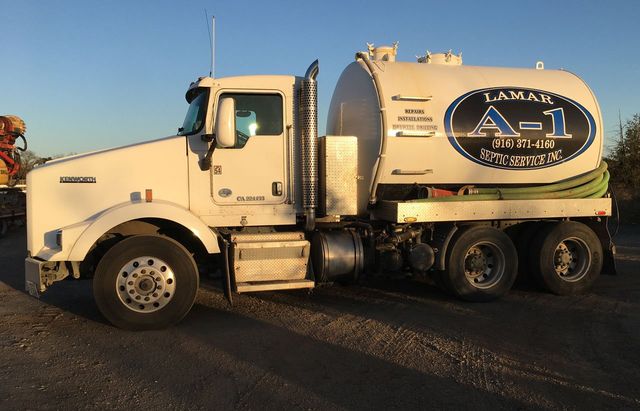
Septic systems are integral to managing household waste, especially in areas not served by centralized sewer systems. While they are generally low-maintenance, regular cleaning and maintenance of septic tanks is crucial to ensure their effective operation. Neglecting this can result in costly repairs, environmental harm, and health hazards. Understanding the importance of routine septic tank cleaning can safeguard both property and the environment.
The Functionality of Septic Systems
A septic system handles waste in a contained environment by separating solids from liquids, allowing for the natural decomposition of waste. The system comprises a septic tank and a drain field. It is designed to treat wastewater from household plumbing, including bathroom, kitchen, and laundry drains.
During its operation, solids settle at the bottom of the tank, forming sludge, while oils and grease float to the top, creating scum. The remaining liquid is discharged into the drain field for further filtration. Over time, the sludge and scum build-up can impede the system?s efficiency. To prevent this, regular cleaning is essential.
Discover expert strategies here.
Benefits of Regular Septic Tank Cleaning
Regular maintenance and cleaning of a septic tank offer several benefits:
- Prevention of System Failure: Routine cleaning helps in the early detection of potential system failures, preventing costly repairs.
- Environmental Protection: Properly maintained systems mitigate the risk of wastewater leakage, which can contaminate local water sources.
- Cost Efficiency: Regular cleaning reduces the likelihood of septic system overflows, saving on emergency repair costs.
- Extended System Lifespan: Well-maintained septic systems typically last longer, providing efficient service for many years.
For more details on maintaining a septic system, learn about our tailored solutions.
Indicators That Your Septic Tank Requires Cleaning
Common Warning Signs
It is vital to recognize the signs indicating that septic tank cleaning is overdue. These include:
- Slow drainage in sinks, baths, and toilets.
- Unpleasant odors emanating from plumbing fixtures or the area surrounding the septic tank.
- Pooling water or damp patches near the drain field.
- Unusually lush grass growth over the septic system area.
If any of these signs are present, it?s advisable to explore advanced guides and tips to determine the appropriate cleaning schedule.
Establishing a Cleaning Schedule
Septic tank cleaning schedules can vary based on household size, water usage, and the size of the septic tank. Generally, it is recommended to have the tank inspected and pumped every three to five years. However, larger households or those with higher water usage may require more frequent cleaning.
To establish a cleaning schedule that aligns with specific needs, find out more about this approach and ensure your septic system functions optimally.
Conclusion
Regular septic tank cleaning is a pivotal aspect of home maintenance that prevents environmental damage and costly repairs. By recognizing the signs of a full tank and adhering to an appropriate cleaning schedule, homeowners can ensure their septic systems remain efficient and environmentally friendly. For further guidance on maintaining septic systems, various resources are available to assist with tailored and effective strategies.