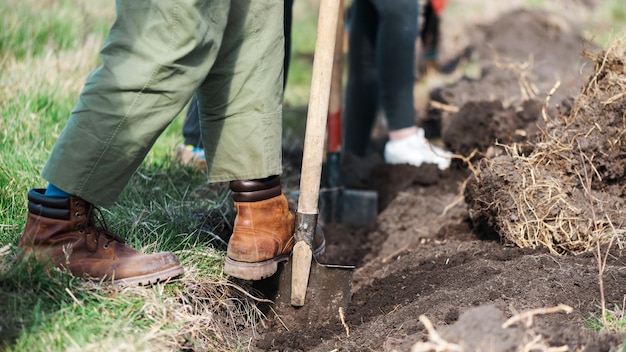
In the construction industry, efficiency is critical to meeting project deadlines and budget constraints. One of the most effective ways to enhance construction efficiency is by employing soil stabilization services. This process, which involves improving the physical properties of soil, not only strengthens the foundation for construction but also mitigates risks associated with soil instability. By integrating soil stabilization into construction projects, companies can ensure safer, more sustainable, and cost-effective outcomes. For those seeking to optimize their construction processes, understanding the intricacies of soil stabilization is crucial.
Understanding Soil Stabilization
Soil stabilization is a method used to enhance the physical properties of soil, making it more suitable for construction projects. This process can involve various techniques depending on the soil type and the specific needs of the project. The primary goals of soil stabilization include:
- Increasing soil strength and load-bearing capacity.
- Reducing soil permeability and water retention.
- Improving soil durability and resistance to environmental factors.
For more detailed strategies and methodologies in soil stabilization, discover expert strategies here.
Benefits of Soil Stabilization in Construction
Integrating soil stabilization into construction processes offers numerous advantages that can significantly boost efficiency:
Enhanced Structural Integrity
Soil stabilization provides a stable and solid foundation, which is essential for the structural integrity of any construction project. It helps prevent issues such as foundation shifting and settling, which are common in areas with unstable soil. Learn about our tailored solutions to understand how soil stabilization can safeguard your projects from such risks.
Cost Savings
By addressing soil instability early in the construction process, significant cost savings can be achieved. Stabilized soil reduces the likelihood of costly repairs or modifications down the line, ensuring that projects stay within budget. Explore advanced guides and tips to maximize your budget efficiency through effective soil stabilization techniques.
Environmental Benefits
Soil stabilization can also contribute to environmentally sustainable construction practices. By reducing soil erosion and runoff, it minimizes the environmental impact of construction activities. This approach not only aligns with sustainable development goals but also enhances the long-term viability of construction projects. Find out more about this approach and its environmental advantages.
Techniques for Soil Stabilization
There are several techniques used in soil stabilization, each with its benefits and applications. Some of the most common methods include:
- Mechanical Stabilization: Involves the physical alteration of soil properties through compaction or the addition of geo-textiles.
- Chemical Stabilization: Utilizes chemicals such as lime, cement, or fly ash to alter the chemical composition of the soil, enhancing its strength and stability.
- Biological Stabilization: Uses vegetation and plant roots to bind soil particles together, reducing erosion and improving soil structure.
Each technique has its specific applications and advantages, making it essential to select the appropriate method based on the project’s unique requirements. For a comprehensive overview of these techniques, explore advanced guides and tips.
Conclusion
Soil stabilization services play a pivotal role in enhancing construction efficiency, providing a robust foundation for any project. By understanding and implementing the right stabilization techniques, construction professionals can ensure the longevity and safety of their structures while achieving significant cost savings. The integration of soil stabilization not only addresses immediate construction needs but also contributes to a more sustainable and efficient industry. For those interested in optimizing their construction practices, learn about our tailored solutions to get started.